

Deep breathing is a technique that involves intentional, slow breathing patterns. Many people practice deep breathing as part of their daily routine.
How Deep Breathing Works
When you breathe slowly and deeply, especially through your nose, you may notice changes in your physical state. Your breathing pattern can influence your heart rate and muscle tension.
Deep breathing is a widely practiced technique that people use as part of their wellness routines.
Related: Meditation for Stress Management: A Real Guide
Related: What Is Holistic Coaching? A Complete Guide for 2026
Related: What Is Nutrition Therapy? A Real Guide for Busy Adults
The Box Breathing Technique
Box breathing is a straightforward breathing method. It works like this:
- Inhale slowly through your nose for 4 counts
- Hold your breath for 4 counts
- Exhale slowly through your mouth for 4 counts
- Hold empty for 4 counts
- Repeat 4-5 times
The 4-4-4-4 pattern is easy to remember. You don't need an app or special training—just a minute of focused breathing can be part of your daily practice.
Getting the Technique Right (Common Mistakes to Avoid)
Most people approach deep breathing in different ways. Here are some common considerations:
Breath should come from your belly, not your chest. When you inhale, your stomach should expand, not your shoulders. Place your hand on your belly to feel it expand with each inhale. This is diaphragmatic breathing.
Don't force the breath. Let it flow naturally. If 4 counts feels too long, start with 3. The point is consistency and comfort, not perfection.
Nose in, mouth out is one approach. Nasal breathing is a common practice. It also helps filter and warm the air.
When and Where to Use Deep Breathing
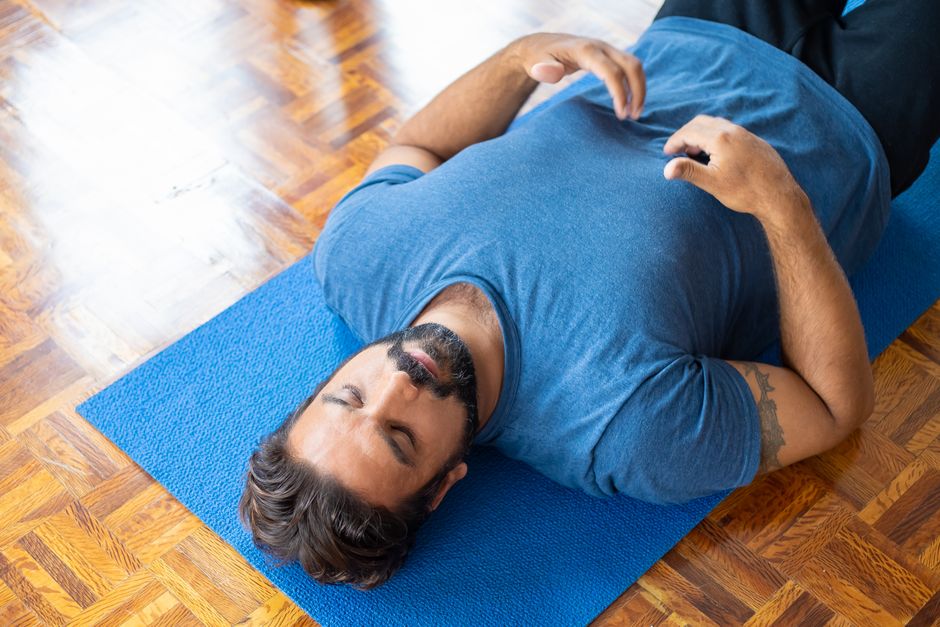
Deep breathing can be practiced anywhere, anytime. Before a meeting, during your commute, or during a break—anywhere works. You can practice for just one or two minutes as part of your routine.
If you're building a comprehensive wellness plan, FIREBIRD Method offers coaching that addresses wellness through nutrition, movement, and lifestyle approaches.

Deep Breathing as Part of Your Wellness Routine
Deep breathing can be one component of your overall wellness approach. Movement, sleep, and nutrition are other factors people consider as part of their daily routines.
Think of breathing as a technique you can use anytime. For a comprehensive wellness strategy, the approach at FIREBIRD Method includes coaching on nutrition, movement, sleep, and other lifestyle factors.
Making Deep Breathing a Regular Practice
The goal is to make deep breathing part of your routine.
Start by anchoring breathing to something you already do. After you pour your coffee, take 3 deep breaths. Before you check email, breathe for a minute. When your phone buzzes, pause and take one box-breathing cycle before you respond.
These small moments can become part of your daily practice. If you want help building sustainable habits around wellness practices—whether that's breathing, movement, nutrition, or sleep—personalized support may be helpful.
People Also Ask

Can deep breathing replace medical treatment?
Deep breathing is a technique people practice, but it is not a substitute for medical treatment. If you have health concerns, consult with your doctor about what approaches are appropriate for you.
How long does it take to notice changes from deep breathing?
People may notice changes in their physical state within a few minutes. Results vary by individual. Consistent practice over time is common among people who use this technique regularly.
Is there a best time of day to practice deep breathing?
Deep breathing can be practiced anytime. Many people find it helpful to practice at various times throughout the day as part of their routine.
What if I feel lightheaded or dizzy when I breathe deeply?
If you experience lightheadedness or dizziness, slow down your breathing. Make sure your exhales are just as long as your inhales. If symptoms continue, consult with your doctor.


