

Meditation is a straightforward practice that many people use as part of their stress management routine. It's accessible, doesn't require special equipment, and you can start today with just a few minutes.
Here's the quick version: many people find meditation helpful for their stress management practice. You can learn about meditation approaches, and you can start today with just a few minutes of practice.
How Meditation Works
When you're stressed, your attention may feel scattered and your mind may race. Meditation involves focusing your attention—on your breath, a mantra, or a body sensation—to help redirect your focus.
By practicing this repetition, you're training your brain to redirect attention. You're not pushing thoughts away or trying to "clear your mind." You're just noticing what's there and gently returning focus over and over.
Regular practice may help you become more aware of your thought patterns. Many people find that with consistent practice, they develop greater awareness of their mental and emotional states.
Mindfulness-based approaches combine meditation with awareness of your thoughts and emotions, which some people find helpful as part of their stress management routine.
Why People Practice Meditation
A lot of people think meditation is about achieving some blissed-out state. Then they try it, their mind wanders, and they assume they're doing it wrong. You're not.
The goal isn't a blank mind. The goal is noticing when your mind wanders and bringing it back. That's literally the exercise. Each time you redirect your attention, you're building your practice.
Here's what makes meditation a distinct practice:
- It involves redirecting attention. You create space between stimulus and response through focused attention.
- It builds awareness. You start noticing your thoughts and feelings as they arise.
- It's cumulative. You don't need a two-hour session to develop a practice. Even five minutes daily can become part of your routine over weeks.
- It works alongside other practices. Meditation pairs well with movement, sleep, nutrition, and connection as part of a comprehensive wellness approach.
Getting Started With Meditation
You don't need an app, a teacher, or prior experience. But here's a realistic framework that many people find helpful:
Related: What Is Nutrition Therapy? A Real Guide for Busy Adults
Related: Virtual Health Coaching for Confidence Building: A Real Guide
Pick a time and place. Morning often works well because fewer interruptions happen. Even five minutes in your car before work counts. Consistency matters more than duration.
Choose a simple anchor. This is what you focus on when your mind wanders. Most people use breath (feel the air moving in and out). Some use a word repeated silently. Pick one.
Start small. Five to ten minutes is a common starting point. Ambitious 30-minute sessions often feel like another obligation. Build from five minutes if meditation is new to you.
Expect your mind to wander. It will. Constantly. That's part of the practice. Notice you wandered. Gently return focus. Repeat. That's how the practice develops.
Do it regularly. Many people practice three to four times weekly. Daily practice is common, but consistency is what matters most.
If you're already managing stress through other tools—like FIREBIRD Method's holistic wellness coaching—meditation can be a complementary practice. It's one component of a comprehensive approach to wellness.

Different Meditation Styles

Not all meditation feels the same. Here are the main approaches:
Mindfulness meditation. You observe your thoughts and feelings without judgment. This is a common approach for beginners.
Body scan meditation. You mentally move through your body from head to toe, noticing sensations. Many people find this a useful practice.
Breath work meditation. You focus entirely on your breathing pattern. This is a foundational meditation technique.
Loving-kindness meditation. You direct compassion toward yourself and others. Many people explore this approach as part of their practice.
Guided meditation. Someone talks you through the practice. Apps, YouTube, or recordings are available. This can be helpful if silence feels awkward.
Start with whichever sounds most appealing to you. Consistency with your chosen approach matters most.
Meditation as Part of Your Wellness Routine
Meditation is one practice. A comprehensive wellness approach includes sleep, movement, nutrition, and connection with people you care about.
If you're interested in a more integrated approach to wellness, programs like FIREBIRD Method combine meditation practices with coaching, nutrition support, and movement—because wellness involves multiple dimensions of your life.
A comprehensive approach addresses multiple aspects: developing a meditation practice, supporting your nutrition, moving your body in ways that feel good, and getting support from others.
Common Meditation Considerations
Expecting immediate results. Meditation is a practice that develops over time. You may notice shifts during a session, but consistent practice over weeks is how the habit develops.
Judging your meditation. There's no "good" or "bad" meditation. It's about showing up. A session where you're distracted the whole time still counts as practice.
Starting too ambitiously. Starting with 30 minutes and quitting after three days is common. Start with five minutes.
Meditation as a substitute for professional care. If you're experiencing clinical anxiety or depression, consult a healthcare provider. Meditation can be part of a comprehensive approach, but professional support is important.
Practicing only during stressful periods. Regular practice is what develops the habit. Build it into your baseline routine.
Building a Meditation Habit
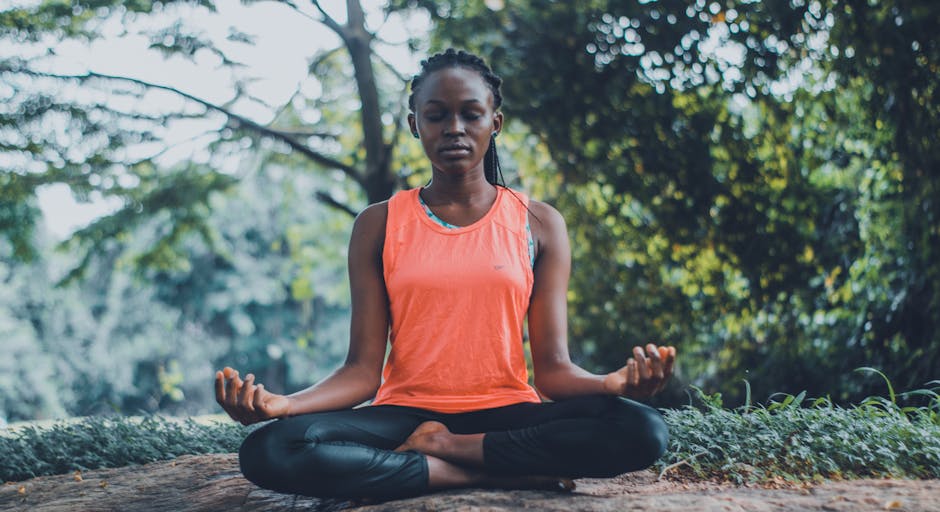
The gap between "meditation is helpful" and actually doing it is real. Here's how to bridge it:
Anchor it to something you already do. Right after coffee. Before you check your phone. Right after brushing your teeth. Attach it to an existing habit.
Set a phone reminder. Not as a judgment. As a friendly nudge. You're busy. Reminders work.
Tell someone. Accountability matters. Even texting a friend "doing my meditation" creates motivation to follow through.
Track it visually. A calendar where you mark days you meditated. Seeing the chain grow is motivating.
Be flexible. Miss a day? Start again tomorrow. This is about building a sustainable practice.
The key is weaving meditation into your actual life, not making it feel like another obligation. Sustainable wellness includes support systems and permission to do what works for you.
Wellness Beyond Meditation
Meditation is one practice. Your complete wellness toolkit includes how you move, what you eat, how you sleep, and who you connect with. If you're interested in exploring a more comprehensive approach, wellness coaching can help you identify what matters most and build sustainable habits.
Whether that's through FIREBIRD Method's integrated approach or another resource you trust, the key is getting support that treats you like a whole person.
How long does it take to develop a meditation practice?
Some people notice shifts during their first session. Developing a consistent practice typically takes weeks of regular practice. The timeline varies based on how often you meditate and your individual experience. Think of it like physical training—you notice the activity while you're doing it, but the habit builds over time.
Can meditation replace professional mental health care?
No. If you're working with a healthcare provider, continue that care. Meditation can be part of a comprehensive approach. Talk to your doctor before making any changes to your care plan.
What if I can't sit still for meditation?
You don't have to sit. Walk slowly and focus on each step. Do body scan meditation lying down. Meditate while doing the dishes if sitting feels uncomfortable. Movement-based meditation is a valid approach. The anchor (breath, sensation, movement) matters more than the posture.
How often should I meditate?
Many people practice daily, though even three times weekly can be part of a regular routine. Five minutes of consistent meditation is a common starting point. Consistency is what matters most as you develop your practice.


