

You've probably tried the apps, the diets, the willpower angle. And here's what happens: they work for a while, then life gets messy, and you're back where you started, frustrated and skeptical that sustainable weight loss is even possible for you. The difference between what didn't work and what actually sticks comes down to one thing: real human support from people who actually know medicine.
A telehealth weight loss program managed by medical professionals isn't just another app subscription. It's a personalized system designed for your body, your lifestyle, and your health history, with a licensed doctor or nurse practitioner actually overseeing your plan. That matters more than you might think.
Related: Best Comprehensive Wellness Program with Medical Supervision
Related: Best Non-Invasive Weight Loss Treatments That Actually Work
Related: Weight Loss Counseling Statistics & Trends 2026: Data Report
Related: Best Holistic Weight Loss Programs 2026: Top 5 Ranked
Related: Best Weight Loss Medication 2026: Top 7 Ranked & Compared
Related: Best Weight Loss Rehab Programs 2026: Top 5 Ranked
Related: Best Virtual Medical Weight Loss Consultations 2026: Top 5 Ranked
Related: Best Medical Weight Loss Treatments 2026: Top 6 Ranked
Related: Best Science-Backed Weight Management Telehealth 2026: Top 5 Ranked
Related: Best Approach to Weight Loss and Pain Management in 2026
Related: Best Weight Loss Therapy at Home 2026: Top 5 Programs Ranked
Related: Personalized Wellness Program Without Diet Culture
Why Medical Supervision Changes Everything
Not all weight loss programs are created equal. The ones that deliver real results share one critical ingredient: they're led by actual clinicians, not algorithms alone. When a medical professional is managing your care, they're verifying your health history, monitoring your progress safely, and adjusting your plan based on how your body is responding, not just what a generic protocol says you should do.
This is especially important if you're considering prescription support. GLP-1 medications have become increasingly available through telehealth, and demand is sky-high. But here's the reality: improper prescribing of weight loss medications can lead to adverse events. You need a clinician who takes responsibility for your safety, not a company rushing to meet demand without proper oversight.
Related: Virtual Weight Management Coaching: Clinician Supervised
Related: Best Sustainable Weight Loss with Accountability Coach
That's where FIREBIRD Method stands out. Every program is clinician-supervised, available across all 50 states, and built on personalized nutrition and lifestyle coaching first. If medications make sense for you medically, they offer options like GLP-1 and peptides, but always within a framework of real medical judgment.
What a Real Telehealth Weight Loss Program Actually Includes
You want to know what you're actually getting before you commit. Here's what separates effective programs from the noise:
- A dedicated expert coach who gets to know your eating patterns, your energy levels, your stress triggers, and your real life. Not a chatbot. A real person.
- Personalized meal planning and nutrition guidance that works with your schedule and preferences, not against them. You're not eating sad chicken and broccoli from a meal plan that hates you.
- Connected digital tools that help you track progress without becoming obsessive. Smart scales, personalized dashboards, habit-building support that feels supportive instead of punishing.
- Medical oversight from licensed professionals who can safely discuss medication options, monitor your health markers, and adjust your approach as needed.
- Flexibility and accessibility through telehealth, which means you're not driving to an office or waiting months for an appointment.
The goal isn't a 12-week transformation you can't sustain. It's building habits that actually fit your life, so you have real energy and confidence that lasts.
How to Verify Credentials and Avoid Red Flags
Before you sign up anywhere, do this: verify that the program is actually managed by licensed medical professionals. This isn't optional. Check their provider credentials, confirm they're licensed in your state, and make sure they're taking medical responsibility seriously.
Here's what to watch for:
- Unclear provider credentials: If the website doesn't clearly list who your doctor or nurse practitioner is, or doesn't verify licenses, that's a yellow flag.
- Pressure to start medications immediately: Legitimate programs start with nutrition and coaching. Medications are a tool when they make medical sense, not a sales angle.
- No personalization: If everyone gets the same meal plan or the same medication dose, it's not actually tailored to you.
- Missing progress monitoring: Real programs check in on how you're doing, adjust as needed, and don't just auto-renew your prescription every month without clinical judgment.
When you're exploring options, FIREBIRD Method is transparent about its clinician-supervised approach. That transparency is actually a good sign. Programs that hide or downplay medical oversight are the ones to skip.
Real Results From Real Support
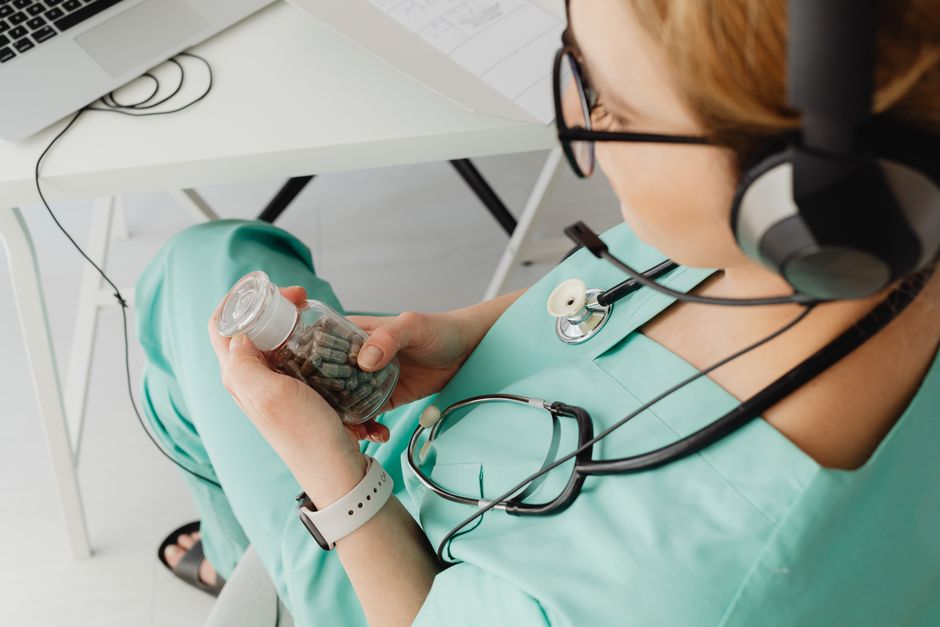
Here's what happens when you get actual personalized coaching plus medical credibility: you stop fighting your body and start understanding it. You figure out why you actually reach for food at 3pm. You discover what meals make you feel energized instead of sluggish. You build confidence in your own choices instead of depending on willpower or the latest trend.
The founder of FIREBIRD Method lost 120 pounds herself using this exact approach. Not because she followed a perfect diet. Because she had personalized support, medical guidance, and permission to be human about the process. That's the foundation every real weight loss program should be built on.
Busy professionals especially benefit from telehealth weight loss programs. No commute to appointments. No scheduling around a clinic's office hours. Just you, your coach, and your clinician, working together on your timeline.
Getting Started With Confidence
You deserve a weight loss program that doesn't feel like punishment. One where the professionals actually care about your long-term health, not just the sale. One where you're not the 47th person on a generic protocol, but a person with a specific body, a specific life, and specific needs.
If you're ready to explore a telehealth weight loss program built around medical expertise and personalized coaching, the next step is straightforward. Talk to someone who can actually assess your situation, answer your specific questions, and build a plan that makes sense for you. Not a sales pitch. Real support.
What qualifications should I look for in a telehealth weight loss provider?
Look for programs managed by licensed medical doctors, nurse practitioners, or physician assistants. They should be licensed to practice in your state, willing to review your full health history, and transparent about their credentials on their website. Medical oversight is non-negotiable.
Are GLP-1 medications safe when prescribed through telehealth?
GLP-1s can be safe and effective when prescribed by a licensed clinician who properly evaluates your health history, monitors your progress, and adjusts dosing based on how you respond. The key is working with a provider who takes medical responsibility seriously, not one rushing to meet demand without proper oversight. Always ask your clinician about potential side effects and what monitoring looks like.
How quickly will I see results from a telehealth weight loss program?
Real, lasting results typically start within 4-6 weeks, but the timeline depends on your starting point, the program design, and your consistency. The best programs focus on sustainable habit change rather than rapid weight loss, which means you're more likely to keep results long-term. Talk to your clinician about realistic expectations for your situation.
Can telehealth weight loss programs work if I have a busy schedule?
That's actually one of the main advantages of telehealth. You can attend coaching sessions and consultations from home or wherever you are, no travel time required. Most programs offer flexible scheduling and digital tools you can use on your own timeline, making it much easier to stay consistent when life is hectic.


